



Paintless Dent Removal
We Fix Dents Without the Need for Parts or Painting

FSDAVCFEBFEVSDDVFSD


FSDAVCFEBFEVSDDVFSD
How Paintless Dent Removal Works
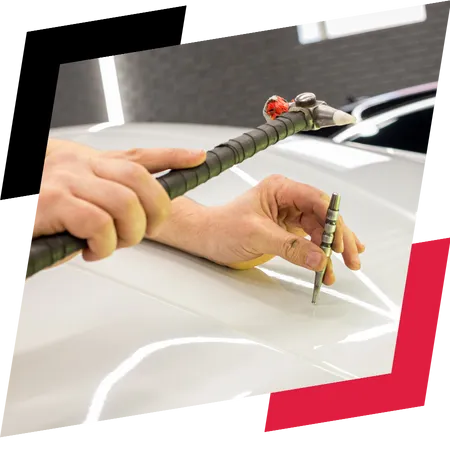
Paintless dent removal is a method that restores the metal without disturbing the original paint. The technician uses specialized tools to reach the backside of the damaged area or applies controlled pressure from the exterior to reshape the panel. This process focuses on returning the metal to its natural form, keeping the finish smooth and consistent with the surrounding surface. It avoids grinding, primers, fillers, or repainting, which helps maintain the factory appearance.
PDR works best for dents where the paint is still intact and the metal has not been stretched beyond its flexibility. Because the method relies on gentle movements and precise control, it produces a natural result that blends seamlessly with the rest of the vehicle. Drivers appreciate this approach because it guards against color mismatch and maintains the original texture of the paint.
Why PDR Is the Preferred Method for Many Drivers
Paintless dent removal offers advantages that traditional repairs cannot match. By preserving the original paint, PDR helps maintain the factory finish and avoids color matching or blending across multiple panels. This is especially important for vehicles with complex paint formulas or custom finishes. Drivers also appreciate that PDR prevents older panels from looking newer or different from the rest of the vehicle, keeping the appearance uniform.
Another benefit is efficiency. PDR eliminates the need for sanding, filling, curing, and repainting, which often reduces repair time significantly. Most small to medium dents can be corrected in one appointment, allowing customers to keep their vehicle available for daily use. This convenience often makes PDR the ideal choice for dents caused by parking lots, door impacts, or minor bumps.
Financially, PDR is one of the most affordable dent removal options because it avoids the materials and labor associated with traditional body repairs. Drivers looking for a cost-effective solution with professional results often choose PDR because of its reliability, preservation of factory paint, and steady long-term appearance.
Evaluating Whether a Dent Qualifies for Paintless Repair
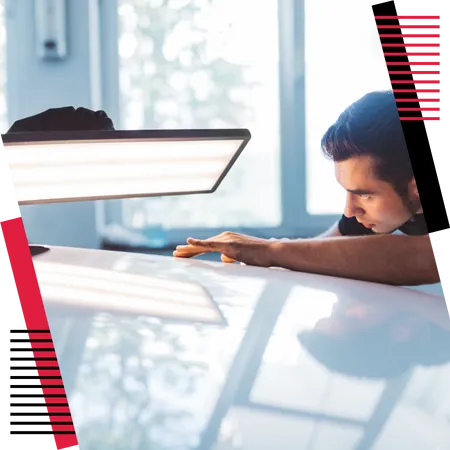
When a technician evaluates a dent, the first step is determining whether the paint remains intact. Smooth edges, shallow depth, and gentle impact marks are strong indicators that PDR will work well. The technician studies the reflection across the panel to understand how the metal moved and how it will respond when reshaped. This helps ensure that the final result blends evenly with the rest of the surface.
Next, the technician checks for access points behind the panel. Some panels allow direct entry for tools, while others require a strategic approach through existing openings. Evaluating accessibility ensures that the metal can be reshaped safely without removing large components. This careful process protects structural integrity and helps produce the most natural finish possible.
Customers receive clear guidance about whether their dent qualifies. If PDR can produce a clean result, the technician explains the expected outcome and the time needed. If the dent is outside ideal conditions, the customer is informed honestly so they do not invest in a repair that will not meet expectations.
Many dents that look severe to customers may still qualify for paintless dent removal as long as the paint has not cracked and the metal retains its natural flexibility. Modern vehicles use paints and clear coats that are designed to move with the metal, which often allows the technician to restore the surface successfully even when the dent appears deep. The evaluation focuses on how the metal shifted when the impact occurred and whether it can be pushed back into place without creating surface distortion.
A proper inspection also protects the customer from choosing a repair that will not blend well with the rest of the panel. If the dent’s shape or depth suggests that PDR will not produce an even finish, the technician explains this clearly before any work begins. Honest recommendations help customers make confident decisions and avoid repairs that do not deliver the smooth, natural appearance they expect.
Frequently Asked Questions About Hail Repair
What is paintless dent repair for hail damage?
Paintless dent repair (PDR) is a technique used to remove hail dents without sanding, filler, or repainting. Specialized tools are used to massage the metal back into shape from behind the panel. It preserves your vehicle’s original paint and is approved by most insurance companies.
Does Swift PDR offer mobile hail damage repair?
No, we only perform in-shop hail damage repairs. This ensures we have the proper lighting, tools, and controlled environment necessary for precise, high-quality paintless dent removal.
How do I know if my hail damage qualifies for PDR?
If the paint isn’t cracked or chipped and the dents are shallow, your vehicle is likely a good candidate. Our team performs a full inspection using PDR lights to assess each dent and determine eligibility.
Why is it important to fix hail damage quickly?
Even small hail dents can lead to clear coat fractures, which may allow moisture to reach the metal underneath. This can result in rust and corrosion if not repaired promptly.
Can you repair hail dents on all parts of my vehicle?
Yes. We regularly remove dents from roofs, hoods, trunks, fenders, and door panels. Whether it’s a flat surface or a body line, our certified technicians can restore your vehicle’s original shape.
Will filing a hail damage claim raise my insurance premium?
In most cases, hail damage is considered a comprehensive claim, which typically does not increase your premium. We can guide you through the claim process and provide the documentation your insurer needs.
How long does hail damage repair take?
Most hail repairs take between 1 to 3 days, depending on the number of dents and panel access. We’ll give you a clear timeline after our inspection and estimate.
Is paintless dent repair cheaper than traditional body repair?
Yes. PDR is often significantly more affordable because there’s no sanding, repainting, or parts replacement. It also reduces downtime since most jobs are completed faster.
Do I need an appointment for a hail damage inspection?
Appointments are recommended but not required. You can stop by our shop or upload photos of the damage through our website to start your estimate.
Does Swift PDR guarantee its hail damage repairs?
Yes. All of our hail damage repair work is backed by a quality guarantee. We complete every job with a final inspection to ensure your car looks factory-fresh before it leaves our shop.
Recent Paintless Dent Repairs
When Paintless Dent Removal Is the Best Repair Choice
Paintless dent removal is the best solution for dents caused by light contact such as parking lot bumps, minor impacts, and pressure marks from objects leaning against the vehicle. These dents often have soft edges and consistent shapes, making them ideal for reshaping without refinishing. When the paint remains intact, PDR can return the panel to a smooth, natural look.
Drivers choose PDR to maintain the factory finish. Because the process does not involve sanding or paint, it prevents any risk of mismatched color or texture. This makes PDR the preferred choice for vehicles with newer paint or for drivers who want the exterior to look new.
The method is also ideal for customers who want a cost-efficient repair. Since PDR requires fewer steps than traditional bodywork, most dents can be corrected in a shorter time with less overall expense.
Paintless dent removal supports long-term resale value by keeping the exterior consistent with the original factory finish. Many buyers look closely at the paint and panel lines when evaluating a vehicle, and even one repainted section can raise concerns about previous damage. PDR removes dents without leaving any indication that work was done, giving the vehicle a cleaner presentation and stronger appeal whether the owner plans to keep it or eventually trade it in.
Dents can create shadows or distort reflections when viewed in direct sunlight. Removing these imperfections helps maintain a uniform appearance across the entire vehicle, especially on panels where a smooth finish is essential. PDR gives customers an efficient way to prevent distracting marks from lingering on the surface and keeps the vehicle looking polished without committing to lengthy or invasive body repairs.
Choose Dents Dings and Things for Paintless Dent Removal
Drivers choose Dents Dings and Things because of the precision and care applied to every repair. The technician evaluates each dent thoroughly and explains what type of result can be expected. Customers appreciate this clear communication because it helps them feel confident throughout the process. The goal is to restore the panel with a smooth, factory-correct finish that blends naturally with the surrounding area.
The PDR service is designed to be efficient and straightforward. Instead of leaving the vehicle at a shop, customers enjoy a repair that can often be completed in one visit without disrupting their daily schedule. The technician uses professional tools and proven methods to deliver consistent results that maintain the vehicle’s long-term appearance and value. This approach helps customers avoid costly traditional repairs while still receiving high-quality work.
Many customers return because they trust the workmanship and the dependable service experience. Scheduling is simple, communication is clear, and results are consistently strong. Dents Dings and Things remains a preferred choice for drivers seeking the best PDR service for both convenience and overall quality.
Frequently Asked Questions
What is paintless dent removal and how does it work?
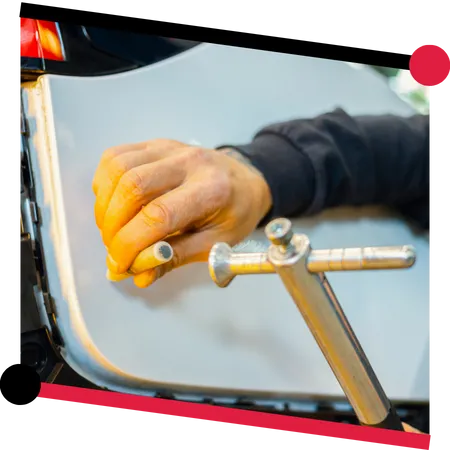
Paintless dent removal is a repair method that reshapes metal panels without sanding, filling, or repainting. The technician reaches the backside of the dent or uses surface tools to guide the metal back into place. The process keeps the factory paint completely intact and restores the natural contour of the panel. It is a clean, controlled technique that avoids altering the original finish of the vehicle.
What types of dents qualify for paintless dent removal?
PDR works best for dents where the paint is still intact and the metal has not been stretched. Small to medium dents, rounded impressions, parking lot impacts, and gentle pressure marks typically respond very well. Dents with smooth edges are especially good candidates because the metal can be guided back into shape without leaving surface irregularities.
Can paintless dent removal fix deep dents?
Some deeper dents can qualify for PDR if the paint remains flexible and the impact has not caused cracking. The technician evaluates the depth, shape, and metal movement to determine if the dent can be restored cleanly. Many dents that appear severe to customers are still repairable through PDR as long as the structure of the panel has not been compromised.
Will the repair be visible after PDR is complete?
When the dent meets ideal conditions, PDR produces a smooth result that blends naturally with the surrounding metal. The technician reshapes the panel until the reflection aligns evenly and the original finish looks untouched. Most customers cannot tell where the dent was once the repair is complete, and the vehicle retains its factory appearance.
How long does a paintless dent removal appointment take?
Most PDR appointments take between one and three hours depending on the size and location of the dent. The technician explains the timeline during the initial inspection. Because the process requires no painting or drying time, the vehicle remains available for daily use and does not need to stay on site for an extended period.
Is paintless dent removal safe for all vehicle paint types?
Yes. Modern automotive paint is designed to flex with the metal beneath it. As long as the paint has not cracked during the impact, the technician can reshape the metal without affecting the finish. PDR avoids chemicals or heat-intensive methods that could damage the clear coat, making it a safe option for most vehicles.
Does PDR help maintain my vehicle’s resale value?
Yes. Because PDR preserves the original paint, it prevents the inconsistencies that repainting can create. Buyers often look closely at body panels for signs of past repairs. A clean PDR repair leaves no trace of refinishing and helps maintain the overall value of the vehicle, especially when preparing for a sale or trade in.
Can PDR repair dents on aluminum panels?
Many aluminum panels can be repaired with PDR. Aluminum behaves differently than steel because it is less forgiving, but most small to medium dents are still repairable. The technician evaluates the flexibility of the panel and the depth of the dent to confirm whether the material will respond well to reshaping.
Will paintless dent removal work on older vehicles?
PDR can be effective on older vehicles as long as the paint remains stable. If the clear coat is peeling or the paint has become brittle from age or sun exposure, PDR may not be recommended. The technician examines the condition of the paint to determine whether the metal can be reshaped without causing additional cosmetic issues.
Is paintless dent removal more affordable than traditional bodywork?
Yes. PDR avoids the labor and materials associated with sanding, filler, primer, and repainting. Because fewer steps are involved, the repair is usually completed faster and at a lower cost. Drivers who want a clean result without a major expense often find PDR to be the most efficient and budget friendly option for dent removal.
Contact Info
Service Hours
Social Media
Appt. Only (Mon-Fri 9am-5pm)
Saturday: Appointment Only
Sun: Closed
Home
Services
Service Areas
Blog
About
Contact
Contact Info
Service Hours
Appt. Only (Mon-Fri 9am-5pm)
Sat: Appointment Only
Sun: Closed
Social Media
Licensed & Insured