




Tools and Techniques Behind PDR
Common Methods and Tools Used in Paintless Dent Repair

FSDAVCFEBFEVSDDVFSD

FSDAVCFEBFEVSDDVFSD

FSDAVCFEBFEVSDDVFSD
Why PDR Requires a Different Approach Than Traditional Repairs
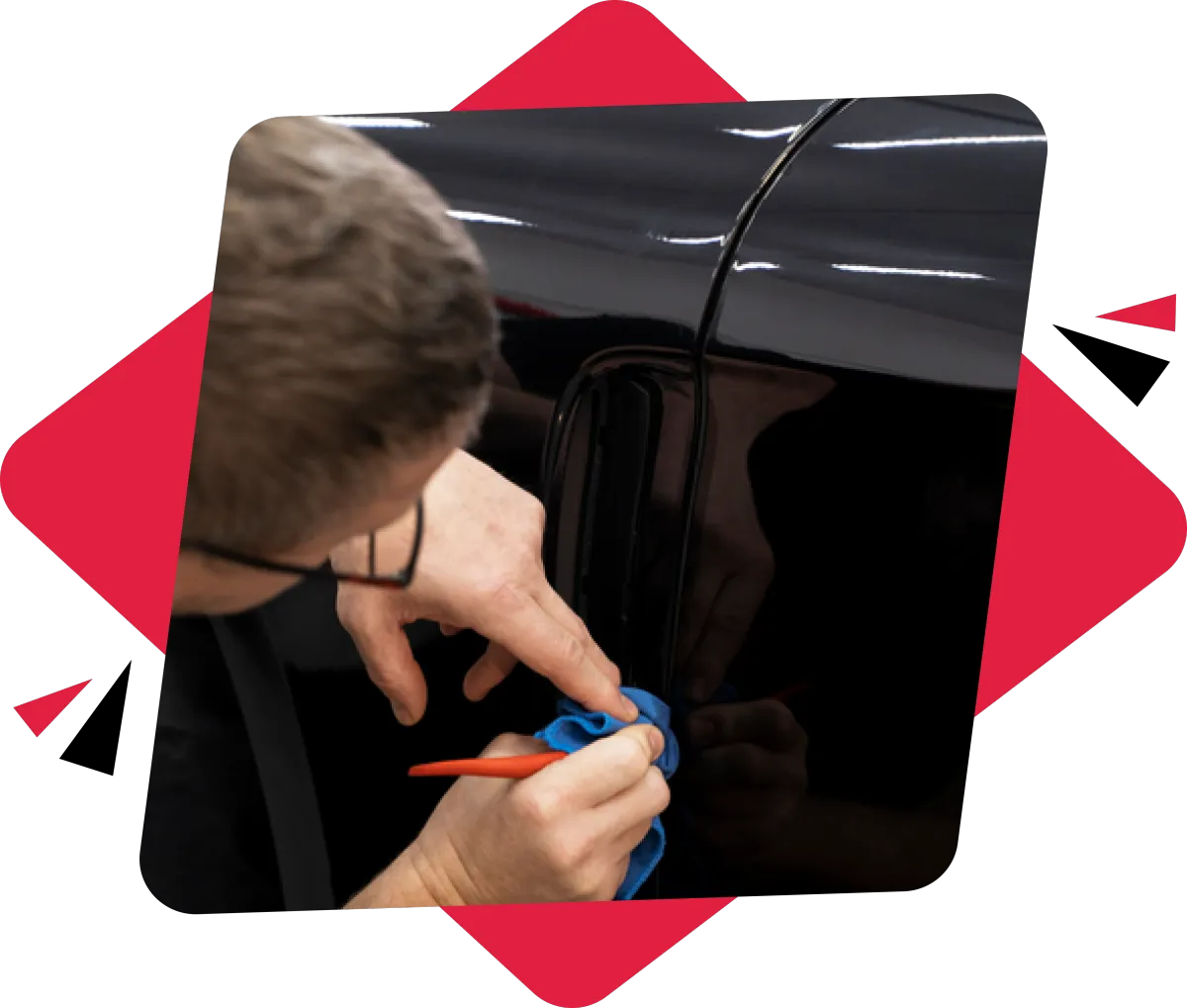
Paintless dent repair works by reshaping the original metal rather than covering the damage with filler or repainting. Instead of grinding or applying new materials, the technician carefully moves the dented area back into position. This method requires a detailed understanding of how metal behaves under pressure and how to restore its natural contour without disturbing the paint. Because the finish stays intact, every step must be precise and controlled.
Technicians rely on proper leverage, accurate tool placement, and consistent pressure to complete the repair safely. Lighting plays a major role in the process because it reveals subtle distortions in the surface that guide each adjustment. With these combined techniques, PDR restores the panel in a clean, efficient manner while protecting the original coating.
The Role of PDR Rods, Picks, and Leveraging Tools
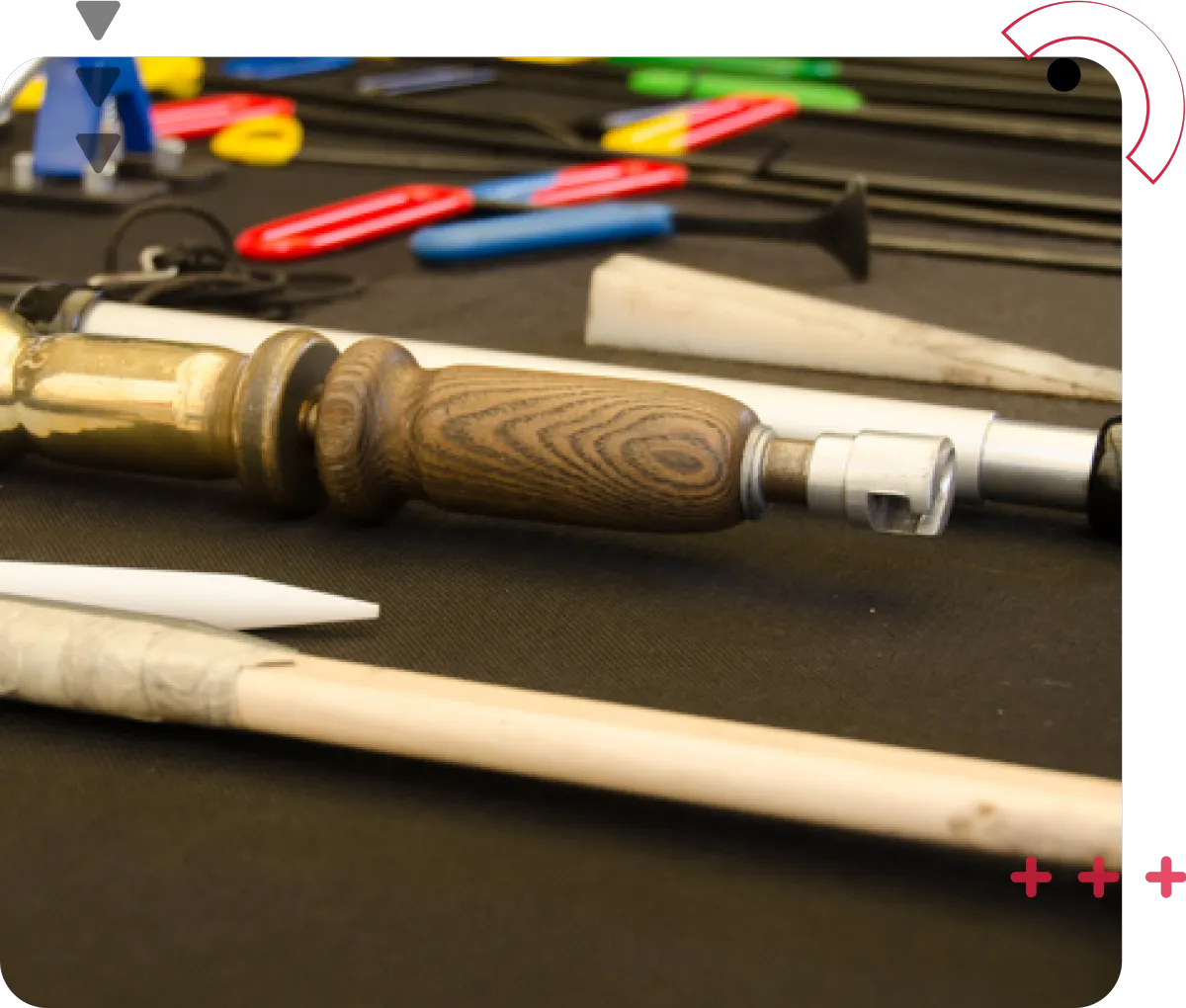
PDR rods and picks are the foundation of most dent repairs because they allow the technician to reach behind the metal and massage the dent from the inside. These tools come in a wide range of lengths and thicknesses to access narrow, deep, or angled spaces such as door skins, trunk panels, and fenders. Proper rod selection ensures that pressure is applied gradually so the metal can return to its natural shape without stressing the paint.
For areas with more limited room, technicians use shorter rods or specialized picks to maneuver around internal structures. Each tool has a specific purpose, from pushing out small round dents to guiding larger impressions back into alignment. The goal is steady, incremental movement that avoids creating high spots or uneven tension.
Leverage-based tools help technicians generate controlled force in tight areas. By anchoring against strategic points inside the panel, the technician can move the metal accurately with minimal effort. These tools create a balance between reach and control, supporting clean, predictable results for a variety of dent types.
How Lighting Boards and Reflection Tools Guide Each Repair
Lighting is one of the most important elements in paintless dent repair because it reveals details that normal lighting hides. Technicians use LED panels, reflection boards, and line boards to highlight the shape of the dent. These reflections show where the metal sits low or slightly high, giving a clear picture of how the surface changed during the impact.
As the technician applies controlled pressure, the reflection pattern shifts and shows how the metal responds to each movement. Small ripples, low spots, or high spots appear clearly in the light. This feedback helps the technician make tiny adjustments instead of guessing, so each push brings the dent closer to its natural contour without overcorrecting.
Because PDR is about restoring a clean, even reflection, lighting becomes the main guide through the repair. When the lines or patterns flow smoothly, the technician knows the surface is properly blended. This careful use of lighting creates a seamless finish that matches the surrounding panels. The result is a panel that looks original again today.
Technicians adjust their lighting based on the dent’s size, depth, and position on the vehicle. Wide LED boards work well for larger or shallow dents because they illuminate broader sections of the panel and reveal how light bends across the damaged area. When dealing with small dings or areas that require detailed blending, narrow reflection lines help expose subtle distortions that would be difficult to see otherwise. By shifting the angle of the lighting and moving it around the panel, the technician gains a complete understanding of how the metal should return to shape during the repair process.
Proper lighting continues to guide the technician through every stage of the repair, including the final refinements. As the reflection begins to smooth out, smaller imperfections become easier to identify. The technician then performs precise adjustments to blend the area cleanly into the surrounding surface. This careful approach ensures the repaired panel maintains a consistent finish that aligns with factory standards.
Glue Pulling Techniques for Inaccessible Areas
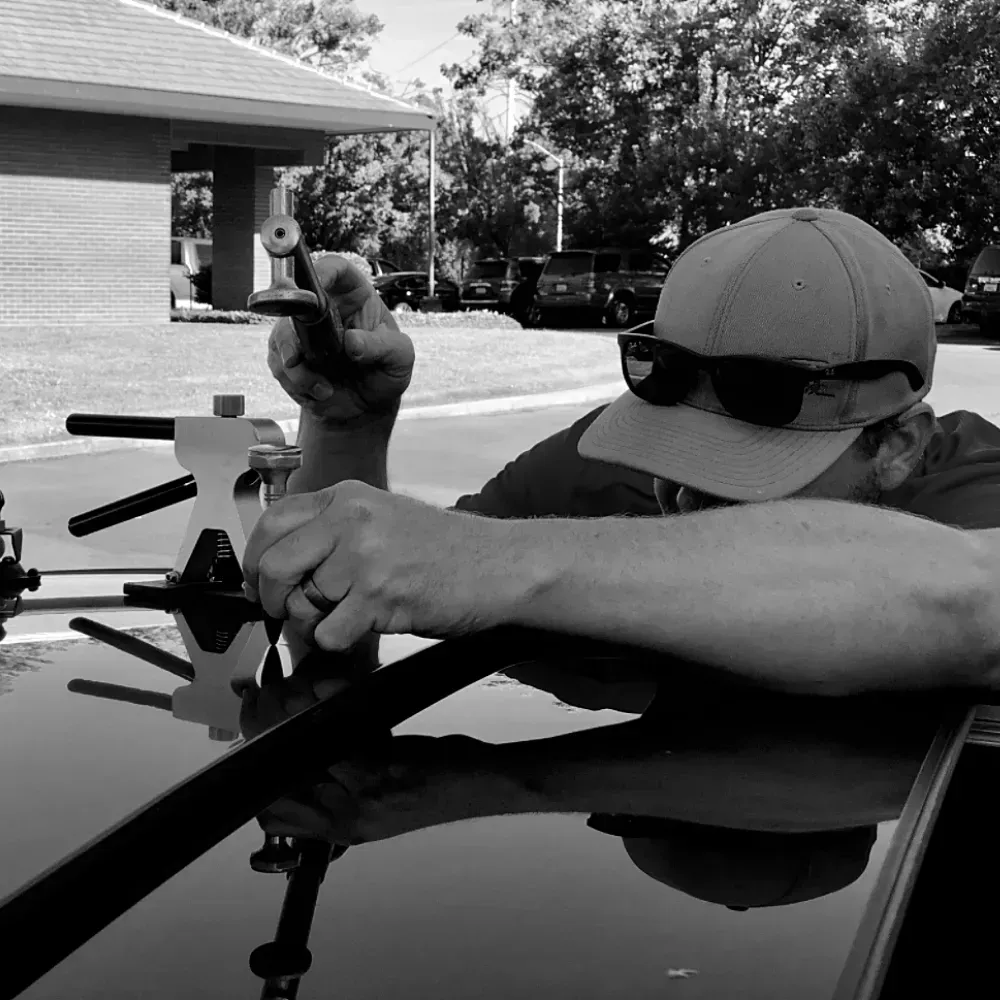
Glue pulling is used when the back of a panel cannot be reached with rods or leverage tools. This method involves attaching a removable adhesive tab to the dented area and pulling the metal outward in small, controlled increments. Technicians select tab sizes based on dent shape so the pull is even and predictable.
Glue pull dent repair works especially well on roof rails, upper quarter panels, and areas with internal bracing where traditional pushing is not possible. Although the technique works from the exterior, it still avoids sanding or refinishing because the adhesive is safe for automotive clear coats. The process focuses on lifting the dent gradually while monitoring the panel’s reaction under specialized lighting.
After the dent is raised, refining tools are used to finish the surface. Glue pulling remains an effective solution for shallow dents or locations where access is restricted, making it a valuable part of modern PDR.
Tap-Down Tools for Refining and Blending the Final Surface
Once the primary dent is lifted, small high spots or uneven areas may appear. Tap-down tools help refine these imperfections and restore proper surface tension. Technicians use soft tips, blending hammers, and guided taps to flatten raised points and blend the repaired area into the surrounding metal. This step is essential for creating a uniform reflection.
Different tap-down tips are used depending on the paint type, dent size, and level of correction needed. Soft tips prevent marking the clear coat, while metal or plastic tips assist with firmer adjustments. Combining these tools helps achieve a smooth panel without damaging the finish.
This blending process brings the repair to completion, ensuring the final appearance matches the rest of the vehicle. When performed correctly, the area becomes nearly invisible, showcasing the precision and skill behind professional PDR.
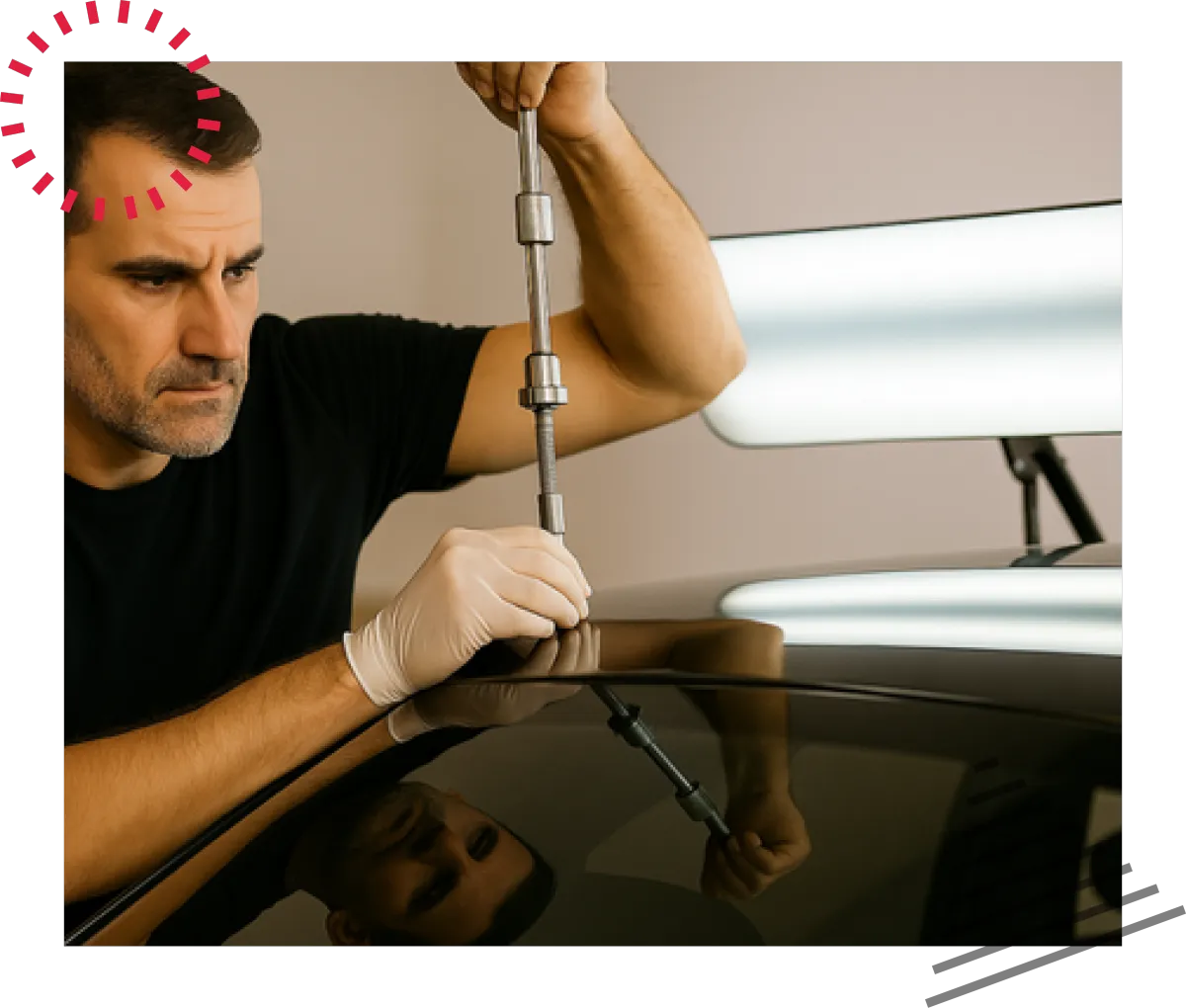
Final blending is the step that separates a clean, professional repair from one that draws attention. Technicians study the reflection lines, surface tension, and overall shape of the area to confirm that the panel flows naturally from one point to the next. Since reflections expose even the smallest inconsistencies, blending requires careful judgment and precise control. Each tap or adjustment is made with intention, ensuring the metal settles into the correct contour without disturbing the paint. This technique is learned through experience, and skilled technicians rely on their understanding of how metal responds to achieve a smooth transition across the repaired section.
Blending reinforces the seamless appearance that drivers expect from quality paintless dent repair. By correcting tiny high points and softening remaining lows, the surface regains uniformity and maintains the factory look. When done correctly, this step protects the vehicle’s value by keeping the repair undetectable from normal viewing angles. The ability to blend effectively is one of the most respected skills in PDR because it ensures the final finish remains consistent, clean, and visually balanced.
Why Professional Tools Matter for Paintless Dent Repair
Professional PDR requires more than just basic tools; it depends on specialized equipment designed for precision and control. High-quality rods, lighting, glue tabs, and tap-down tools allow technicians to work efficiently without risking damage to the paint. Each tool has a specific purpose, and using the correct one ensures the metal is guided back into shape cleanly.
Proper tools also allow technicians to reach dents in challenging locations. Access points inside doors, fenders, or quarter panels can be narrow, and only dedicated PDR tools can maneuver effectively in these areas. Combined with years of practice reading reflections and metal behavior, they help ensure the repair blends naturally with the rest of the panel.
Choosing a trained specialist gives drivers confidence that their dent will be removed safely and correctly. Professional dent removal restores the vehicle’s appearance while protecting long-term value, making PDR one of the most dependable repair methods available today.
Dents Dings & Things
Mobile Dent Repair & Door Ding Repair
Stay Up-to-date With Our Content
Subscribe to learn more about our mission!
Stay Up-to-date With Our Content
Subscribe to learn more!
Contact Info
Service Hours
Social Media
Appt. Only (Mon-Fri 9am-5pm)
Saturday: Appointment Only
Sun: Closed
Home
Services
Service Areas
Blog
About
Contact
Contact Info
Service Hours
Appt. Only (Mon-Fri 9am-5pm)
Sat: Appointment Only
Sun: Closed
Social Media
Licensed & Insured