




Understanding Types of Dents
Mobile Dent Repair is Perfect for Specific Dents

FSDAVCFEBFEVSDDVFSD

FSDAVCFEBFEVSDDVFSD

FSDAVCFEBFEVSDDVFSD
Why Some Dents Are Easier to Fix Than Others
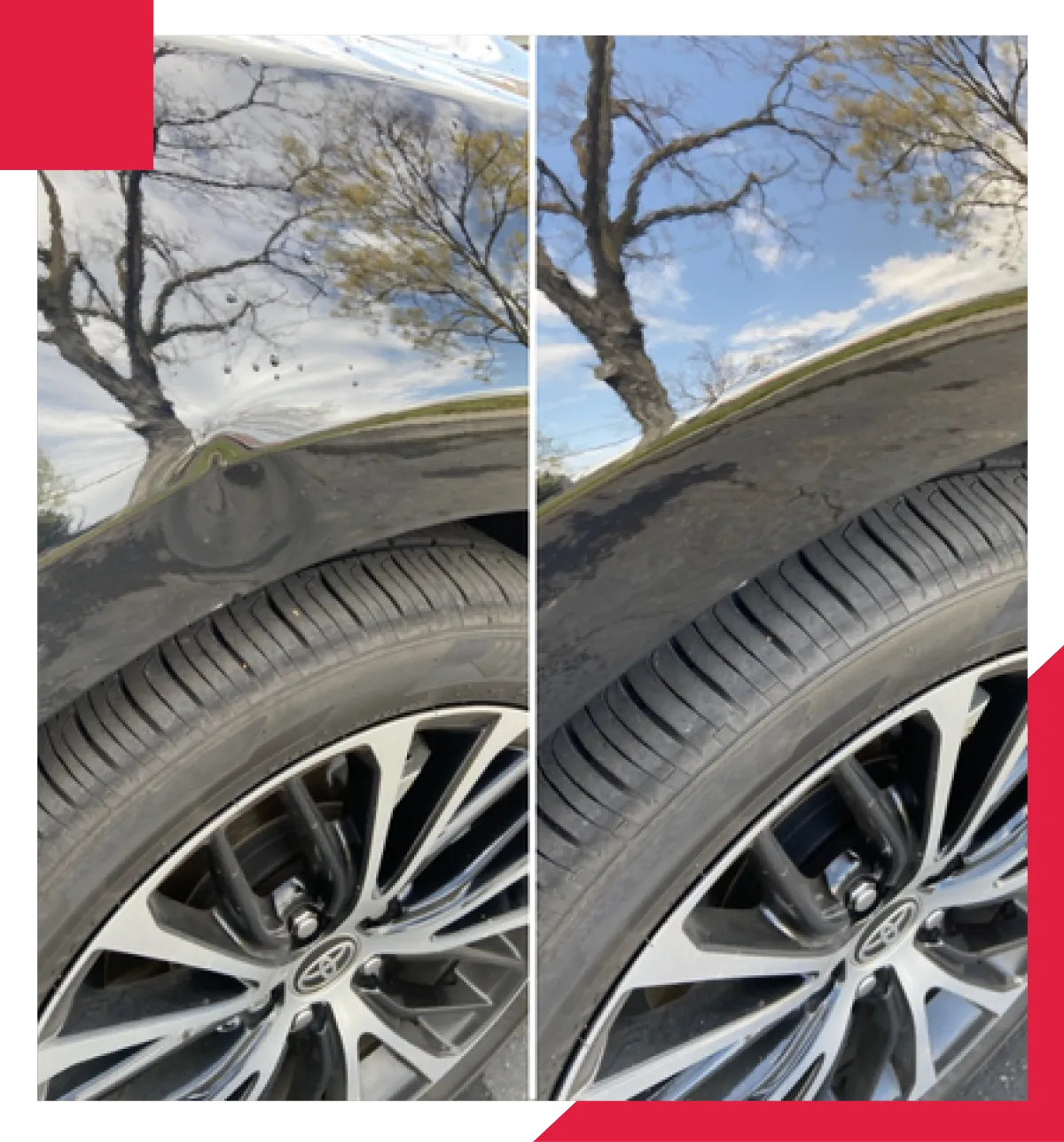
Every dents behave differently because the metal reacts based on where the impact occurred and how forceful it was. Shallow dents with gentle edges often qualify for mobile repair because the metal did not stretch and the paint remained flexible. These dents tend to be easier to reshape without disturbing the exterior finish. When the surface tension stays intact, the technician can guide the metal back into place with controlled movements.
Dents with clean edges and unbroken paint are the best candidates for on-site service. These types of dents allow tools to reach behind the panel or apply precise pressure from the outside. Mobile PDR works especially well when the dent is smooth, the paint shows no signs of cracking, and the metal is not sharply creased. This combination allows for a predictable repair that restores the panel.
Small Dents and Door Dings That Commonly Qualify
Many of the dents that qualify for mobile repair come from everyday situations such as parking lots and neighborhood driveways. Door dings from adjacent vehicles, small bumps from objects, and round impressions caused by carts or equipment often fall into this category. These dents tend to be shallow and predictable, allowing the technician to work the metal back into place without disturbing the paint. Because the surface remains intact, the repair focuses on realigning the shape rather than refinishing the panel.
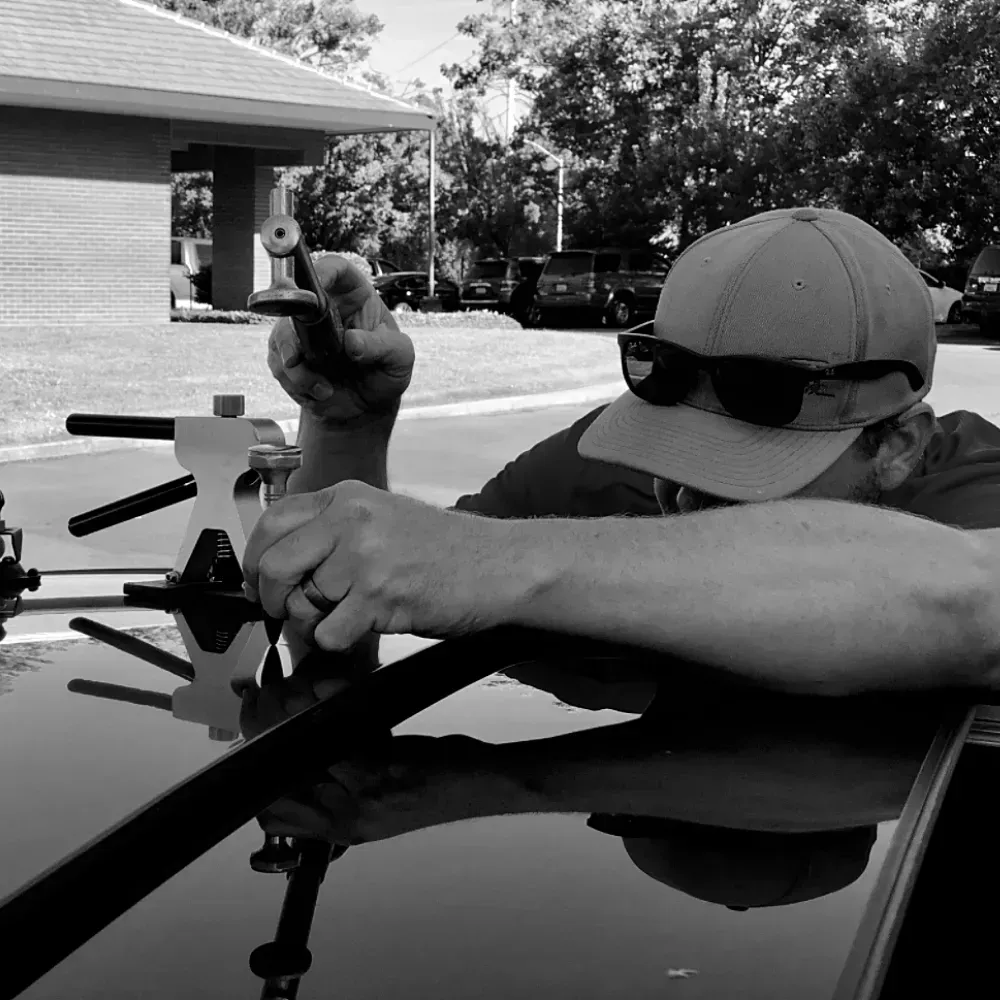
Small dents are ideal for mobile PDR because they typically do not require the removal of major interior components. Technicians can often access the backside of the dent through factory openings, which speeds up repair time. This makes the process efficient and convenient for drivers who want a clean result without the inconvenience of traveling to a shop. When the paint is healthy, these dents respond extremely well, returning the panel to a natural-looking finish.
Door dings and round impressions are some of the quickest repairs completed on-site. They involve predictable metal movement, and the technician can often complete the process in a single appointment. This makes mobile PDR a reliable option for fixing small imperfections that distract from an otherwise well-maintained vehicle, helping drivers restore smooth reflections across their panels.
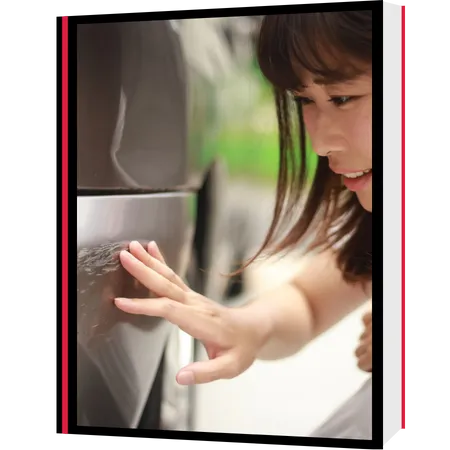
Paint Condition Helps Determine When PDR is RIght
Paint condition is one of the most important factors when determining whether a dent qualifies for mobile PDR. If the paint is intact and shows no cracks or fractures, the metal can usually be reshaped without harming the finish. Technicians examine the area closely to ensure the clear coat still has flexibility, which allows the dent to return to its original shape.
During evaluation, the technician looks for stress marks, chips, or signs that the paint has hardened from impact. When the surface remains smooth and undamaged, paintless repair is often the most efficient method. The flexibility of modern coatings helps the process work successfully, preserving the material that protects the panel from the elements.
Strong paint integrity also indicates that the dent did not distort the metal beyond repair. When the paint is healthy, the panel responds predictably to pressure, allowing the technician to make incremental adjustments that blend the repair seamlessly. This helps ensure that the finished result maintains the vehicle’s original appearance.
Paint flexibility plays a major role in successful PDR. Modern vehicles use durable factory coatings designed to absorb light impacts without cracking. When a dent occurs, these coatings often stretch slightly rather than breaking, which allows the metal to be guided back into shape during the repair. This resilience gives technicians the ability to restore the panel without altering the finish or removing protective layers.
Because today’s automotive paint systems are engineered to flex, many dents qualify for mobile repair even when they appear more noticeable than expected. The key is whether the surface remains strong and continuous. When the paint holds up, technicians can use precise tools and lighting to evaluate reflections and return the metal to its proper alignment. This combination of strong coatings and controlled technique makes PDR an effective choice for many common dents.
Dent Location and Accessibility Matter More Than Drivers Realize
The location of the dent often determines how easily tools can reach behind the panel. Dents in open, flat areas such as door skins, fenders, and accessible hood sections frequently qualify because the technician can work the metal from the inside. These panels provide space for tools to maneuver, making the repair process efficient.
Dents near edges or under structural bracing are more complex because access is limited. However, many of these dents can still qualify for mobile repair if a technician can reach them through factory access points. This may involve removing small trim pieces or using specialized tools designed for tight spaces.
Evaluating accessibility helps determine whether the dent can be corrected safely without removing large components. Technicians assess the inner structure of the panel to understand the available working room. When access is sufficient, the dent can often be repaired cleanly on-site, providing a quick solution for everyday damage.
When Mobile Dent Repair Is Not the Right Option
Some dents fall outside the scope of PDR because the metal or paint has been damaged beyond what reshaping can fix. Dents with cracked paint, sharp creases, or stretched metal usually cannot be restored cleanly with PDR. These cases may require traditional body repairs that involve sanding or repainting to ensure long-term durability.
Deep dents or collision damage may also be unsuitable because the metal has shifted too far. When the impact distorts the underlying structure, simply reshaping the exterior surface will not produce a safe or visually consistent result. A technician evaluates these factors to ensure the PDR is appropriate.
Scheduling an estimate helps drivers understand which dents qualify and which require more extensive work. This avoids guesses and ensures the vehicle receives the correct repair. Honest assessment protects both appearance and structural integrity, providing confidence in the recommendation.

Even when mobile repair is not an option, understanding the reason provides drivers with valuable clarity. Some dents require refinishing because the impact weakened the paint or distorted the metal beyond what PDR can safely correct. In these situations, the technician explains the limitations and what steps are needed for proper restoration. This guidance helps drivers choose a repair method that supports long-term appearance, structural integrity, and consistent results across the affected panel.
Identifying the correct repair method also prevents wasted time and unnecessary expenses. When drivers know whether a dent qualifies for mobile service, they can schedule the appropriate repair right away. A professional evaluation ensures the vehicle receives care that fits its condition and the customer’s expectations. Clear communication during this assessment helps drivers feel confident in the recommended approach and reassures them that the chosen method will address the damage safely and
How to Know if Your Dent Qualifies for Mobile Repair
Drivers often start by assessing the general shape and depth of the dent. Smooth dents with intact paint and moderate depth typically qualify for mobile PDR. These dents respond well to controlled adjustments that restore the panel without disturbing the original finish. When unsure, customers can take photos in good lighting to help a technician evaluate the damage.
Reaching out for professional dent removal is the quickest way to confirm whether a dent is a good candidate. A technician can determine if the metal will move cleanly and whether access points are available. This prevents misdiagnosis and helps drivers avoid scheduling repairs that are not appropriate for their dent type. The evaluation process is simple and provides reliable guidance.
Many everyday dents can be repaired right where the vehicle is parked. Mobile PDR offers drivers a convenient, effective solution that avoids long shop visits and keeps the original paint intact. It remains one of the most practical repair methods for maintaining a clean, well-kept exterior.
Dents Dings & Things
Mobile Dent Repair & Door Ding Repair
Stay Up-to-date With Our Content
Subscribe to learn more about our mission!
Stay Up-to-date With Our Content
Subscribe to learn more!
Contact Info
Service Hours
Social Media
Appt. Only (Mon-Fri 9am-5pm)
Saturday: Appointment Only
Sun: Closed
Home
Services
Service Areas
Blog
About
Contact
Contact Info
Service Hours
Appt. Only (Mon-Fri 9am-5pm)
Sat: Appointment Only
Sun: Closed
Social Media
Licensed & Insured