




Understanding Paintless Dent Removal
PDR is the Act of Removing Dents Without Repainting

FSDAVCFEBFEVSDDVFSD

FSDAVCFEBFEVSDDVFSD

FSDAVCFEBFEVSDDVFSD
Why PDR Exists and What Problem It Solves
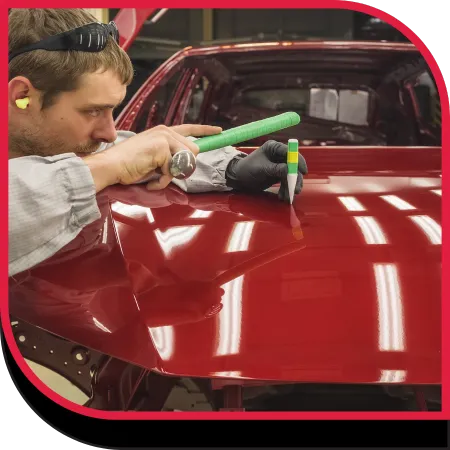
Paintless dent removal exists because a lot of vehicle dents do not damage the paint, yet traditional repair methods rely on sanding, filling, and repainting. These older approaches create unnecessary labor and often leave signs of a repair that vehicle owners want to avoid. PDR was developed to address this gap by offering a clean, efficient repairs for dents where the metal is pushed inward but the paint remains unbroken. It provides a solution that keeps the original finish intact, which is important for appearance and value.
Many everyday dents come from situations like parking lot door dings, runaway shopping carts, or minor bumps. These dents often look worse than they are and can be corrected when handled through PDR. The method provides vehicle owners with a way to correct damage quickly while avoiding the cost and inconvenience of traditional bodywork.
How Paintless Dent Removal Works Step by Step
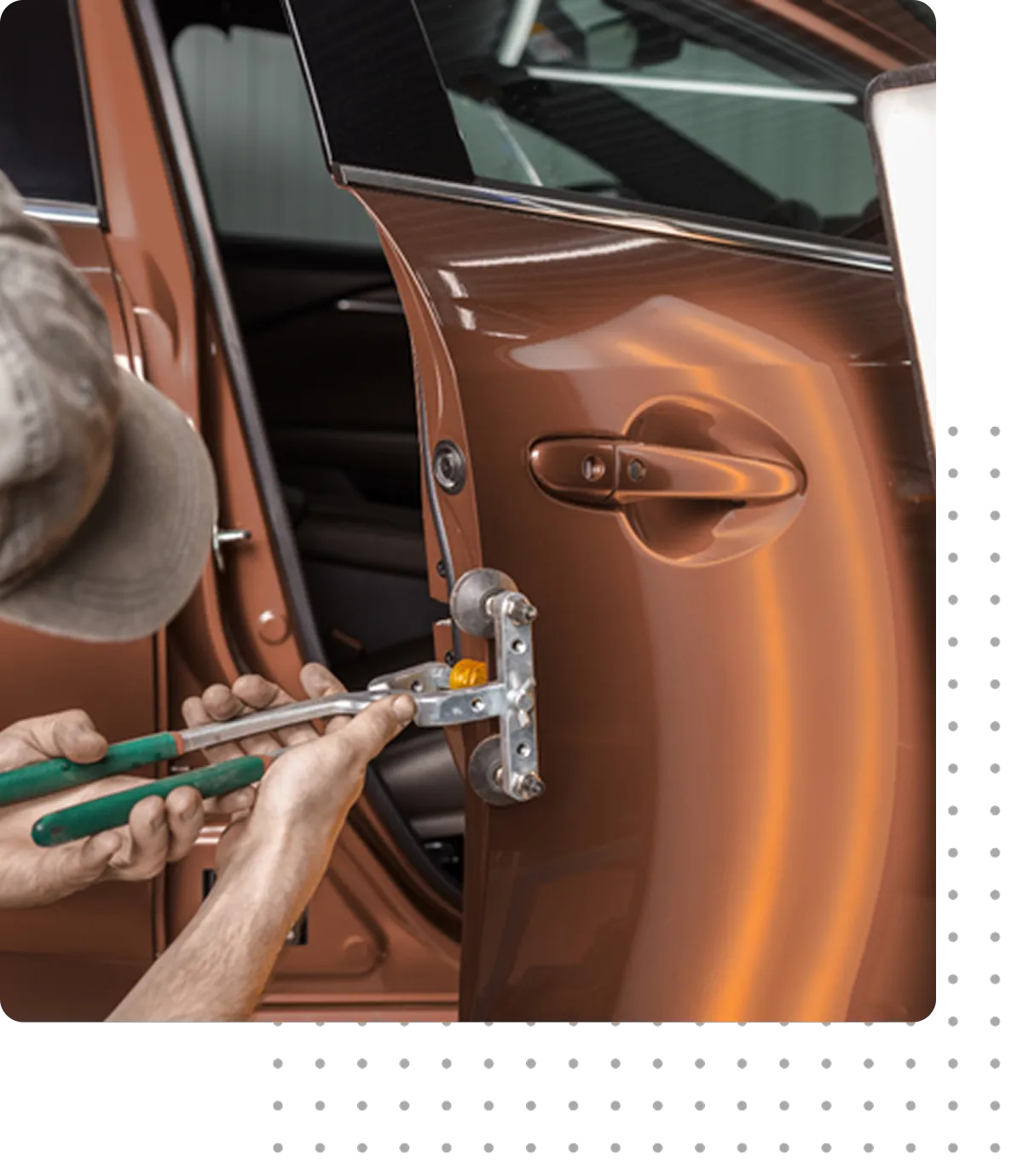
Paintless Dent Removal begins with the technician identifying the dent’s shape, depth, and access points. Using specialized lighting, they review how the metal has shifted and determine the safest way to reach the backside of the panel. Once an access point is confirmed, gentle tools are positioned to gradually move the metal outward. This controlled pressure reshapes the panel, returning it to its natural contour without affecting the paint. Automotive metal is designed to flex, allowing technicians to work precisely while preserving paint strength.
PDR avoids sanding, filling, primers, and repainting. Because the paint remains untouched, there is no risk of mismatched tones, overspray, or changes in texture. This makes the repair nearly invisible, especially on modern clear-coat finishes. PDR works extremely well for door dings, small dents, and pressure marks caused by objects pushing into the surface. These dents typically have smooth edges, allowing the metal to return cleanly to its original form.
Drivers appreciate that PDR targets the dented area only, rather than affecting surrounding panels. It is a focused and efficient method that supports the vehicle’s long-term finish and keeps the exterior looking smooth and refined. By removing the distortion without repainting, PDR blends naturally with the existing finish and restores the vehicle’s original appearance.
What Makes a Dent a Good Candidate for PDR
A dent is typically good for PDR when the paint remains intact and the metal has not been sharply folded or torn. Technicians look for smooth edges and a centralized impact point, which indicate that the metal can be reshaped without compromising the finish. Automotive paint provides flexibility that allows the surface to return to its original position when handled correctly.
During evaluation, the technician studies the dent’s size, depth, and overall shape. They consider whether the metal is stretched and whether there is access behind the panel. Dents located on doors, fenders, quarter panels, and roof rails often qualify because these areas typically offer good access and consistent metal movement.
Even dents that look significant to the vehicle owner may still respond well to PDR. Many people assume a dent requires repainting simply because it is noticeable, but if the impact did not crack the paint, there is a strong chance the metal can be restored without refinishing. This is why proper evaluation is essential.
Many dents that appear deep or stretched can still qualify for PDR if the technician can reach the backside of the panel and verify that the paint has remained flexible. When the clear coat still has elasticity, the metal can often be guided back into position without cracking or lifting the finish. By studying reflection patterns under specialized lighting, the technician can see how the metal shifted during the impact and determine whether the surface can return to its natural contour. With the correct tools and controlled movements, even challenging dents may respond well, allowing the panel to be restored while keeping the original finish intact.
A professional evaluation also protects customers from choosing a method that may not deliver the results they expect. It ensures that PDR is only performed when a smooth, consistent outcome is realistic. This helps customers make informed decisions and provides confidence that the repair will match the surrounding panel cleanly and naturally.
When Mobile Dent Repair Is the Best Repair Method
Mobile dent repair is the best choice for dents caused by door impacts, tight parking situations, or small objects pressing into the metal without breaking the paint. These types of dents respond well to paintless dent repair because the metal structure is preserved and requires only gentle correction to return to form.
Many drivers choose mobile PDR because it allows them to avoid paintwork, body shop visits, and extended repair times or costs for parts and paint. The technician performs the repair wherever the vehicle is parked, making the process simple and convenient. Small dents, pressure marks, and dings from everyday situations are restored quickly, allowing the vehicle to maintain its original finish without the inconvenience of traditional repair timelines.
PDR is also a preferred method for drivers who want to maintain factory appearance and avoid diminishing resale value. Because the paint remains untouched, the repaired area blends seamlessly with the rest of the vehicle. This makes mobile dent repair an appealing choice for maintaining a clean, original look.
The Benefits of Keeping Your Factory Paint Intact
Factory paint provides a strong, uniform coating that protects the metal and delivers a consistent appearance across every panel. When repainting is introduced, even high-quality work can create slight shifts in tone or texture that are noticeable. Paintless dent removal keeps the original finish untouched, which is important for the vehicle to maintain its factory-correct look.
Because PDR avoids sanding or color blending, the repaired area stays structurally aligned. Reflection lines remain consistent, helping the vehicle appear as close to original as possible. Buyers and appraisers often value vehicles with untouched paint because it signals limited body damage and better long-term condition.
Keeping factory paint also helps protect warranty considerations for newer vehicles. By preserving the original coating, PDR supports exterior durability and provides a natural-looking finish that blends seamlessly with the rest of the vehicle.
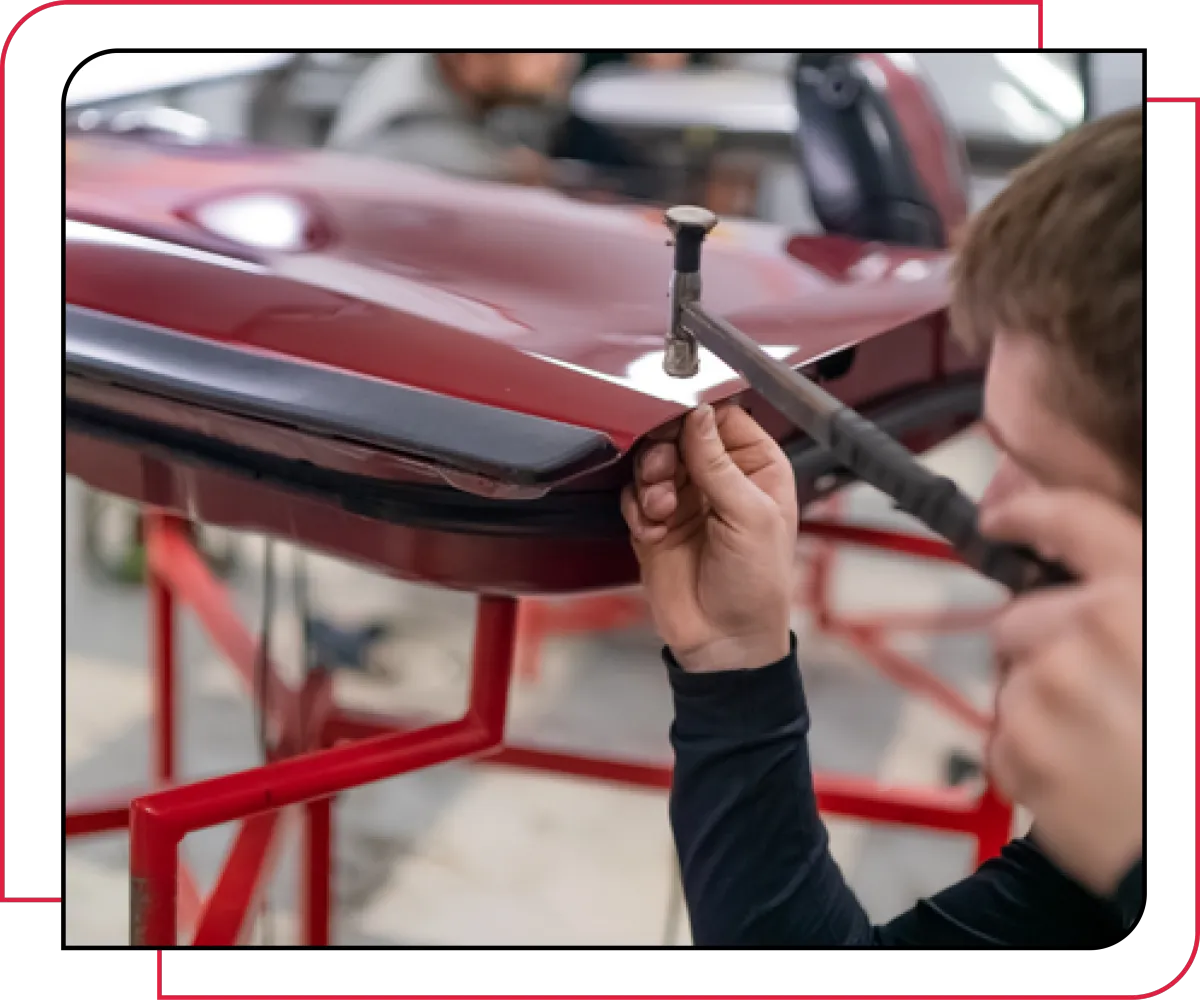
Avoiding repainting also prevents long-term maintenance issues that can occur when new coatings age differently than the factory layers. Repainted areas may fade at a different rate, and the clear coat may weather unevenly in sun-exposed environments. Because PDR preserves the original paint, the entire vehicle continues aging uniformly. This consistent appearance helps drivers maintain a clean, well-kept exterior while reducing concerns about later polishing or paint correction. The method restores shape without altering surface protection, making it a dependable option for long-term ownership.
PDR also supports lasting value by repairing the metal beneath the paint rather than modifying the surface. By avoiding fillers and repainting, the technique keeps the factory coating intact, which is often preferred by dealerships, appraisers, and private buyers. A uniform finish helps the vehicle look newer for longer and prevents attention from being drawn to repaired areas. For drivers who want a practical, low-impact repair method, PDR offers a reliable way to protect appearance and maintain long-term resale value.
Why Insurance and Knowledgeable Drivers Choose PDR
Insurance companies often recommend paintless dent removal because it provides an efficient, noninvasive way to correct small dents without altering the factory finish. Since PDR avoids repainting, the overall repair time is significantly reduced, and customers rarely need a rental car or extended downtime. This method also eliminates the risk of mismatched paint or overspray, which are common concerns with traditional repairs. Drivers appreciate that PDR restores the panel while keeping the vehicle’s original appearance intact and without leaving visible signs that the area has been worked on.
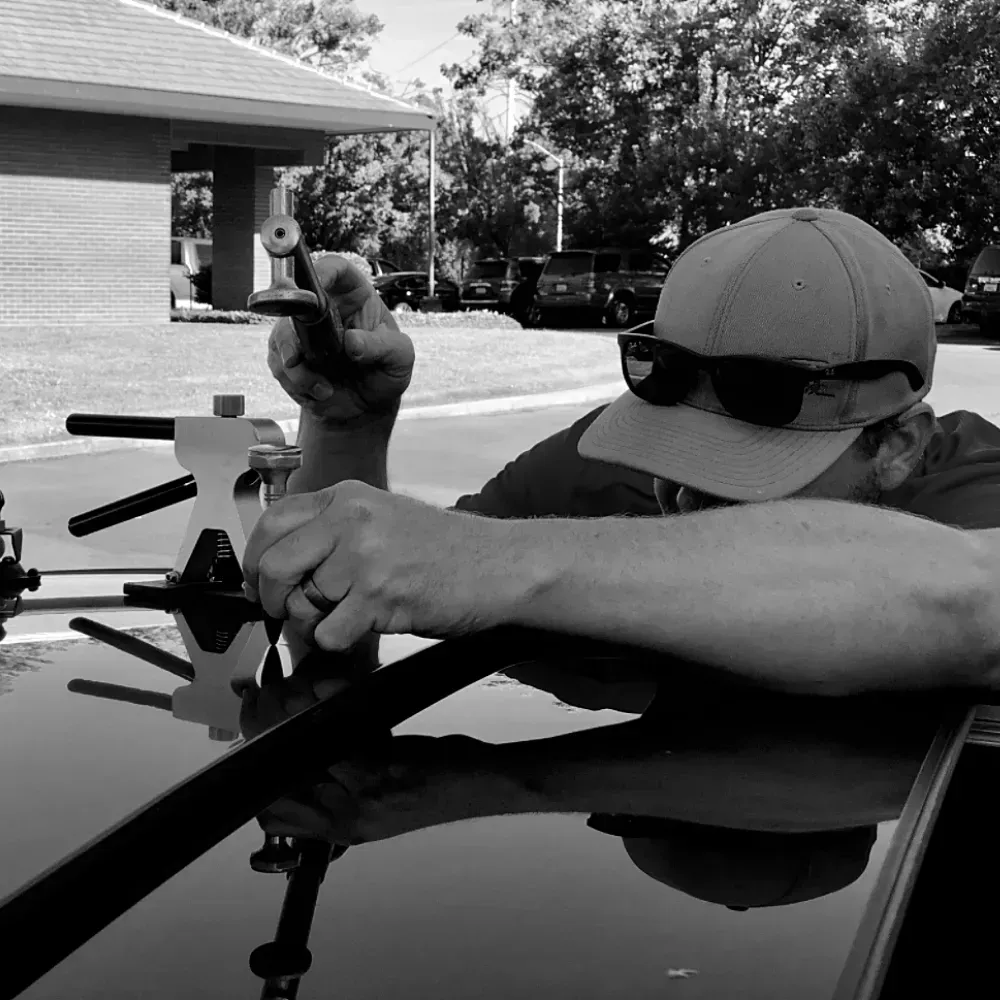
Choosing a trained technician ensures the repair is completed safely and precisely. A proper PDR evaluation involves studying reflection patterns, confirming paint flexibility, and identifying the best access points behind the panel. With the right lighting and professional tools, the technician can guide the metal back into its natural contour while preserving the clear coat. This level of detail helps maintain the vehicle’s long-term value and gives owners confidence in the durability of the repair.
For drivers looking for a simple and effective solution for door dings or small dents, PDR remains the preferred choice. It blends convenience, quality, and affordability, delivering results that look natural and consistent with the surrounding panel. By keeping the original paint untouched, PDR helps the vehicle retain its clean, well-cared-for appearance.
Dents Dings & Things
Mobile Dent Repair & Door Ding Repair
Stay Up-to-date With Our Content
Subscribe to learn more about our mission!
Stay Up-to-date With Our Content
Subscribe to learn more!
Contact Info
Service Hours
Social Media
Appt. Only (Mon-Fri 9am-5pm)
Saturday: Appointment Only
Sun: Closed
Home
Services
Service Areas
Blog
About
Contact
Contact Info
Service Hours
Appt. Only (Mon-Fri 9am-5pm)
Sat: Appointment Only
Sun: Closed
Social Media
Licensed & Insured